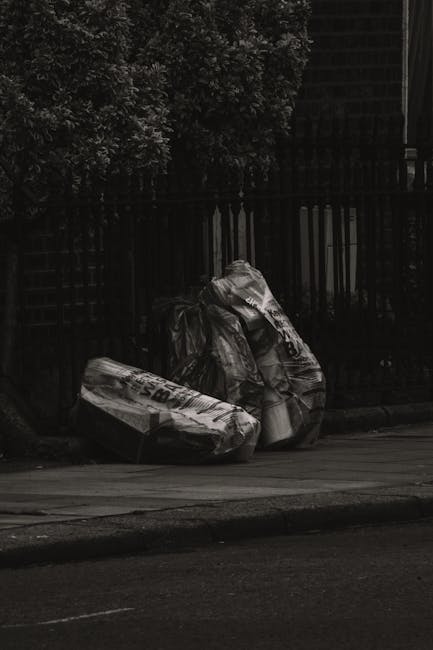
Battersea Rubbish Removal Near Queenstown Road Station: A Practical Local Guide
If you live, work, or are clearing a property around Queenstown Road station, rubbish removal can become one of those jobs that looks small until you actually start. A few broken chairs, a boxed-up loft, a post-renovation pile, maybe a damp garden bag or two... and suddenly the hallway feels narrower, the stairs feel steeper, and your weekend disappears. Battersea rubbish removal near Queenstown Road station is really about solving that mess quickly, safely, and without making life harder than it needs to be.
This guide explains what local rubbish removal involves, how the process usually works, who it suits, and what to check before booking. You will also find practical tips, a comparison table, a checklist, and answers to the questions people genuinely ask when they need waste taken away in a busy part of Battersea.
Table of Contents
- Why Battersea rubbish removal near Queenstown Road station Matters
- How Battersea rubbish removal near Queenstown Road station Works
- Key Benefits and Practical Advantages
- Who This Is For and When It Makes Sense
- Step-by-Step Guidance
- Expert Tips for Better Results
- Common Mistakes to Avoid
- Tools, Resources and Recommendations
- Law, Compliance, Standards, or Best Practice
- Options, Methods, or Comparison Table
- Case Study or Real-World Example
- Practical Checklist
- Conclusion
- Frequently Asked Questions
Why Battersea rubbish removal near Queenstown Road station Matters
Queenstown Road station sits in a part of Battersea where convenience matters. Homes are often close to main roads, terraces, flats, converted buildings, and tight access points. That makes rubbish removal a bit more complicated than simply "put it out and forget it". If you have bulky waste, mixed junk, or a lot of bags, the practical issue is not just volume. It is access, timing, and how quickly you can get the place back under control.
In a local area like this, rubbish can stack up for all sorts of reasons. A flat move. A rental reset. A small bathroom refit. A garden tidy-up after a blustery weekend. Or the slightly sneaky kind of clutter that builds one box at a time until the spare room stops being spare. Let's face it, most people do not plan to need waste removal. It just arrives.
That is why a local service near Queenstown Road station is useful. You are not only removing junk; you are reducing disruption. You avoid multiple trips to a tip, you do not have to wrestle heavy items downstairs, and you get a cleaner space faster. For many people, that is the real win.
There is also a trust element. The better providers should be clear about how waste is handled, what can be collected, how pricing is discussed, and what happens to reusable or recyclable items. If you want to understand a company's wider approach, it can help to read their about us page and their recycling and sustainability information before you book.
How Battersea rubbish removal near Queenstown Road station Works
Most rubbish removal jobs in Battersea follow a fairly straightforward process. The details vary, but the flow is usually similar: you explain what needs clearing, the provider estimates the job, collection is arranged, and the waste is loaded and removed. Simple in theory. In practice, a few details can make a big difference.
Typical process
- Initial enquiry: You describe the rubbish, location, access, and rough amount.
- Assessment: The provider may ask for photos or a more detailed description.
- Quote or pricing discussion: The job is priced based on volume, type of waste, labour, access, and any specialist handling needed.
- Collection: The team arrives, loads the items, and clears the space.
- Sorting and disposal: Waste is separated where possible for recycling, reuse, or compliant disposal.
That final point matters more than people think. A good clearance job is not just about van space. It is about responsible handling. Furniture, wood, metal, green waste, and mixed rubbish do not all belong in the same route, and the best services treat that carefully.
If you are dealing with a more specific job, like a shed full of old tools or a post-renovation pile, it may be worth looking at related services such as garage clearance, garden clearance, or builders waste clearance.
What makes local jobs a little different?
Near Queenstown Road station, access can be the tricky bit. Parking, narrow stairwells, lift availability, and time windows all affect how smoothly the job goes. If items are on an upper floor or in a basement, moving them safely takes longer. That does not mean the job is difficult; it just means it benefits from a provider that knows how to work in London conditions without faffing about.
For flats especially, a service like flat clearance is often more relevant than people first realise. The same goes for full-property jobs, where home clearance or house clearance might fit better than a one-off general rubbish collection.
Key Benefits and Practical Advantages
There are plenty of reasons people choose professional rubbish removal rather than doing it themselves, and most of them are practical rather than glamorous. No one wakes up excited to carry a wardrobe down three flights of stairs, after all.
1. Less physical strain
Old mattresses, broken shelving, or water-damaged furniture can be awkward and surprisingly heavy. A proper team reduces the risk of strained backs, scratched walls, and the kind of "I'll regret this tomorrow" lifting that catches up with you at 7 a.m.
2. Faster clearance
A room that would take you hours, or even a whole weekend, can often be cleared far more quickly by a crew used to working in tight spaces. This is especially useful if you are between tenants, preparing for refurbishment, or simply trying to reclaim your Saturday.
3. Better handling of mixed waste
Waste is rarely neat. One pile may include cardboard, a broken lamp, a bit of old flooring, a chair, and a bag of general rubbish. Good removal services sort items so that recyclable materials and reusable objects are handled appropriately where possible.
4. Less disruption to neighbours and building access
In shared buildings, fewer trips in and out can mean less noise, less corridor congestion, and fewer awkward encounters on the stairs. Small thing, but it matters.
5. More predictable outcomes
When you book a service that is set up for rubbish removal, you know the job will be completed rather than left half-done because a car is too small or the local recycling centre queue is too long.
Practical summary: for most people near Queenstown Road station, the biggest advantage is not just convenience. It is getting the space back, cleanly and without turning the task into a mini construction project.
Who This Is For and When It Makes Sense
Battersea rubbish removal near Queenstown Road station is useful for a wide mix of people. The common thread is that they need waste gone properly and relatively quickly. Beyond that, the reasons vary quite a bit.
Typical situations
- Tenants moving out: left-behind clutter, unwanted furniture, or boxed junk.
- Landlords and letting agents: end-of-tenancy clearances and quick turnarounds.
- Homeowners: loft clutter, old appliances, furniture, or overflow from a renovation.
- Flat owners: bulky items that are awkward to move through shared access points.
- Local businesses: office furniture, packaging waste, or outdated equipment.
- Garden owners: pruning waste, soil bags, broken pots, and storm-damaged material.
If the job is commercial or office-based, a more focused service such as business waste removal or office clearance may suit better. For single bulky items, furniture disposal or furniture clearance might be the simpler route.
When does it make sense? Usually when the job is too large, too heavy, too messy, or too time-sensitive for a normal bin routine. If you are asking yourself, "Could I do this in two car trips?", that is often a sign the job is already bigger than it looks.
Step-by-Step Guidance
Here is a sensible way to prepare for local rubbish removal without overthinking it. You do not need to create a spreadsheet. Just a little planning goes a long way.
- Walk through the space. Identify everything that needs removing. Be honest here. The mystery box in the corner counts too.
- Separate what stays and what goes. Keep important papers, valuables, and personal items away from the clearance zone.
- Group items by type. Furniture, bags, green waste, and construction debris can often be assessed faster when grouped.
- Check access. Note stairs, lift availability, narrow hallways, parking restrictions, or any loading difficulties.
- Take a few clear photos. This helps with pricing discussions and avoids awkward surprises on the day.
- Ask about handling and disposal. A responsible provider should be able to explain how waste will be removed and sorted.
- Choose a practical time slot. If you live near the station or a busy road, timing can help reduce disruption.
One useful trick: if you are unsure whether something should be classed as general waste, furniture, or builders waste, mention it during the booking stage. That small conversation can save a lot of back-and-forth later. And yes, the "it's only a few bits" jobs are often the ones that turn into van-filling jobs.
Expert Tips for Better Results
After a while, rubbish removal becomes less about brute force and more about preparation. A few simple habits make the whole process smoother.
Be precise about access
If the property is on a busy street near Queenstown Road station, parking and loading matter. Tell the provider where the waste is located, how many flights of stairs are involved, and whether there is a lift. That allows for a more realistic plan.
Don't mix everything into anonymous bags
It is tempting to gather everything into black bags and hope for the best. But if you know a few items are reusable, recyclable, or especially fragile, say so. Clear communication helps with sorting and can reduce unnecessary handling.
Clear a path first
If you can safely make corridors and doorways easier to move through, the team can work more efficiently. Even ten minutes of tidying around the route helps more than people expect.
Think in zones
For larger homes or offices, deal with one area at a time: loft, then bedrooms, then kitchen, then garden. It feels less overwhelming and makes it easier to spot what is actually rubbish and what is just temporarily parked somewhere.
Ask about sustainability in plain language
You do not need a lecture, just clarity. Ask how reusable items are handled and what happens to recyclable material. If you care about that side of the job, a provider's recycling and sustainability page is worth a look.
And here is a slightly unglamorous but very real tip: keep a tea or coffee out of the loading route. Someone carrying a wardrobe does not need to dodge a mug on the windowsill. Small mercy.
Common Mistakes to Avoid
A lot of rubbish removal headaches come from the same few errors. Easy to make, easy to avoid once you know what to watch for.
- Underestimating the volume: a corner pile can hide a surprising amount of waste behind it.
- Not checking access: tight stairs or parking limitations can affect timing and cost.
- Leaving valuables mixed in: once the clearing starts, it is stressful to search through everything.
- Assuming everything is general waste: furniture, white goods, builders waste, and green waste may need different handling.
- Booking too late: if you are working to a move-out or refurbishment deadline, last-minute pressure makes everything harder.
- Choosing on price alone: the cheapest option is not always the most efficient or reliable, especially for awkward access jobs.
One more subtle mistake: not asking what happens if the load is bigger than expected. Good providers usually explain how they handle adjustments before the job starts. That transparency is a sign you are dealing with a proper operation, not a vague promise and a van.
Tools, Resources and Recommendations
You do not need specialist equipment to prepare for rubbish removal, but a few simple tools can help.
Useful items to have on hand
- Heavy-duty bin bags for loose rubbish
- Marker pen for labelling items to keep or remove
- Dust sheets or old blankets for protecting hallways
- Gloves if you are sorting dusty loft or garage items
- Phone camera for quick photos of the clearance area
For specific property types, it can also help to check the relevant service pages before booking. A cluttered attic may be better handled through loft clearance. A full flat, especially one with furniture and mixed household items, might fit flat clearance. A renovation pile is often better matched with builders waste clearance.
If you are comparing providers, useful pages to review include pricing and quotes, insurance and safety, and health and safety policy. Those pages help you judge how a company thinks about the job, not just how it sells it.
Law, Compliance, Standards, or Best Practice
Waste removal in the UK is not something to treat casually. You do not need to know every detail of waste law to book a clearance, but you should expect the provider to act responsibly and handle waste in line with normal legal and environmental duties.
In plain English, the basics are simple: waste should be collected, transported, and disposed of by people who know what they are doing. Items should not be dumped illegally. Reusable and recyclable materials should be separated where practical. And if a provider is handling business waste, they should be set up to manage it appropriately.
For homeowners and tenants, the main practical point is to avoid handing waste to anyone who cannot explain what happens next. If a price sounds unusually low and the operator is vague about disposal, that is a red flag. Not always, but often enough to pause.
Best practice also includes:
- clear pricing discussions before collection
- respectful handling of the property
- appropriate lifting and loading methods
- care around shared entrances and neighbours
- responsible sorting of waste streams
If you want broader reassurance about how a business operates, supporting pages such as terms and conditions, privacy policy, and about us can help you understand the company's approach and expectations.
Options, Methods, or Comparison Table
People near Queenstown Road station usually end up choosing between three common approaches: do it yourself, use a standard waste collection method, or book a professional rubbish removal service. The right choice depends on time, volume, access, and the type of waste.
| Option | Best for | Pros | Limitations |
|---|---|---|---|
| DIY trips | Very small amounts of light waste | Can seem cheap at first; full control | Time-consuming, physically tiring, difficult with bulky items |
| Standard bin disposal | Regular household rubbish | Simple for everyday waste | Not suitable for furniture, large clearances, or mixed bulky waste |
| Professional rubbish removal | Bulky, mixed, or time-sensitive waste | Fast, convenient, less lifting, better for awkward access | Usually more expensive than doing nothing yourself, though often better value overall |
To be fair, "cheapest" is not always "best value". If you spend half a day wrestling waste downstairs and then still have to make another trip, the price starts to look different. A proper rubbish removal service often wins on simplicity alone.
For furniture-heavy jobs, furniture clearance can be the more accurate choice. If your priority is to remove a broader mix of waste from a home or business, the general waste removal page is the better place to start.
Case Study or Real-World Example
Picture a typical Battersea flat not far from Queenstown Road station. The occupier is moving out on Friday afternoon. There is an old sofa, two chairs, a dismantled shelving unit, a mattress, several bags of household rubbish, and a box of items that were meant to go to storage but never quite made it. The hallway is narrow, the stairs are awkward, and there is no enthusiasm left for a heroic DIY lift.
In that kind of situation, a local rubbish removal service is usually the sensible route. The job can often be grouped as flat clearance plus furniture disposal, with the provider assessing access and working out the loading plan. The important thing is that the customer does not need to rent a van, recruit a friend with an aching back, or spend the whole day making it all fit.
What tends to go well in these situations is simple preparation. The customer separates valuables, takes a few photos, and makes sure the route from flat to street is clear. The provider arrives knowing the waste mix, the access, and the likely time needed. No drama. No guessing game.
That is really what good rubbish removal looks like in a busy London neighbourhood: not magic, just a tidy process that removes friction from a day that already has enough of it.
Practical Checklist
Use this checklist before booking Battersea rubbish removal near Queenstown Road station:
- Have I identified everything that needs removing?
- Have I separated personal items, documents, and valuables?
- Do I know whether the waste is general rubbish, furniture, builders waste, or green waste?
- Have I checked access, stairs, lifts, and parking?
- Have I taken photos of the load and the route?
- Have I asked how pricing is explained?
- Do I know whether reusable or recyclable items may be separated?
- Have I chosen a realistic collection time?
- Have I reviewed the company's safety and policy information?
- Do I know who to contact if plans change?
If you can tick most of those off, you are in good shape. The job usually goes much smoother when the groundwork is done, even if the actual pile of rubbish still looks a bit ridiculous. That happens.
Conclusion
Battersea rubbish removal near Queenstown Road station is, at heart, about making a difficult job feel manageable. Whether you are clearing a flat, handling a house full of mixed items, removing old furniture, or dealing with a post-project mess, the right approach saves time, reduces strain, and keeps the whole process under control.
The best results usually come from clear communication, realistic expectations, and choosing a service that treats waste responsibly. If you take a few minutes to assess access, separate items sensibly, and ask the right questions, you will almost always have an easier day. Simple as that.
If you are ready to move from "I should sort this out" to "finally, this is handled", the next step is straightforward.
Get a free quote today and see how much you can save.
And once the clutter is gone, that fresh bit of space can feel surprisingly uplifting. Properly nice, actually.
Frequently Asked Questions
What counts as rubbish removal near Queenstown Road station?
It usually covers the collection and disposal of unwanted items such as general rubbish, bulky household waste, broken furniture, and mixed clutter from homes or businesses near the station.
Is rubbish removal better than doing it myself?
It depends on the amount and type of waste. For small light loads, DIY can work. For bulky, heavy, or awkward items, professional removal is usually quicker and safer.
Can I book rubbish removal for a flat in Battersea?
Yes. Flats are very common in this part of Battersea, and services such as flat clearance are often the best fit when stairs, lifts, or shared access are involved.
What happens to the waste after collection?
Responsible providers sort items where possible for reuse, recycling, or proper disposal. The exact handling depends on the type of waste and the company's processes.
How do I prepare for a rubbish removal booking?
Separate valuables, identify the items to go, take a few photos, and mention access details such as stairs, lifts, and parking restrictions. That usually makes the collection smoother.
Can furniture be taken away too?
Yes, furniture is one of the most common reasons people book a clearance. Furniture clearance or furniture disposal is often the right solution for sofas, tables, wardrobes, and similar items.
Is builders waste handled differently?
Usually, yes. Builders waste can include heavier, dustier, and more mixed debris, so a builders waste clearance service is often more appropriate than general rubbish removal.
Do local rubbish removal services work for businesses as well?
They can. Offices, shops, and other commercial premises often need business waste removal or office clearance when furniture, equipment, or accumulated waste needs clearing.
How do I know if a provider is trustworthy?
Look for clear explanations about pricing, safety, insurance, and waste handling. A provider that is open about its policies and process is usually easier to trust.
What if I only have one or two bulky items?
That is still a valid job. In fact, single-item collections are very common. A furniture disposal or furniture clearance service may be the simplest option.
Are there items that need special handling?
Yes. Some waste types need more care than standard household rubbish, such as certain electrical items, heavy construction debris, or items contaminated by damp or damage. If unsure, ask before booking.
Where can I learn more about the company's approach?
Helpful pages include about us, pricing and quotes, and recycling and sustainability, which give a better sense of how the service is run.