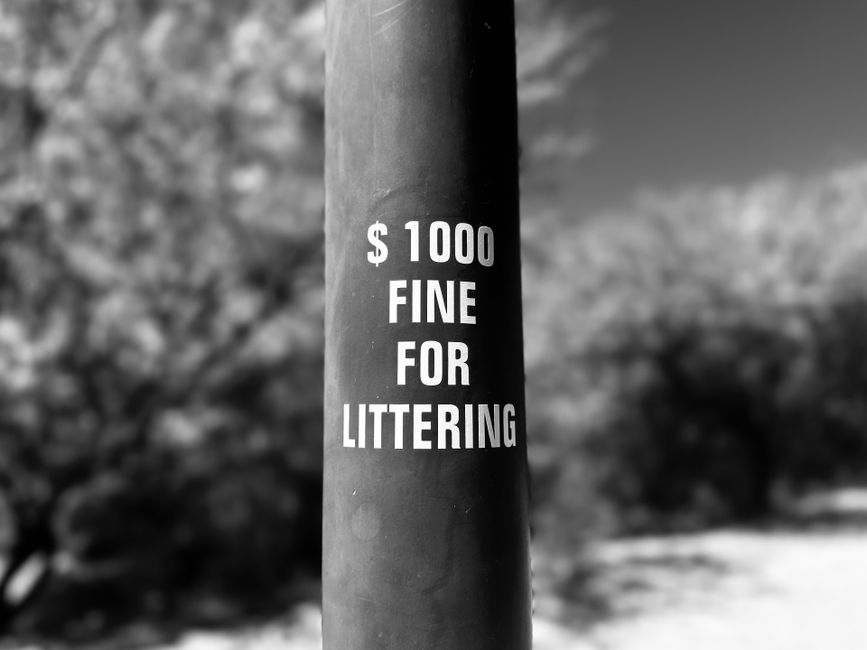
Fines for illegal dumping in Battersea -- Wandsworth enforcement
If you live, work, manage a property, or run a business in Battersea, illegal dumping is one of those problems you notice fast. A mattress left beside a skip. Black bags on a pavement corner. Builders' rubble dumped after dark. It looks bad, smells worse, and can quickly become a council enforcement issue. Understanding Fines for illegal dumping in Battersea -- Wandsworth enforcement matters because the risk is not only financial; it can also affect your reputation, your tenancy, or even your business operations.
This guide explains how enforcement usually works, what types of behaviour can trigger penalties, what to do if you are dealing with waste the wrong way, and how to avoid accidental non-compliance. It also covers practical next steps, because let's face it, most people do not set out to create a waste problem. They just end up with one.
Table of Contents
- Why Fines for illegal dumping in Battersea -- Wandsworth enforcement Matters
- How Fines for illegal dumping in Battersea -- Wandsworth enforcement Works
- Key Benefits and Practical Advantages
- Who This Is For and When It Makes Sense
- Step-by-Step Guidance
- Expert Tips for Better Results
- Common Mistakes to Avoid
- Tools, Resources and Recommendations
- Law, Compliance, Standards, or Best Practice
- Options, Methods, or Comparison Table
- Case Study or Real-World Example
- Practical Checklist
- Conclusion
- Frequently Asked Questions
Why Fines for illegal dumping in Battersea -- Wandsworth enforcement Matters
Illegal dumping is not a minor inconvenience. It is an environmental, public-health, and neighbourhood-quality issue all at once. In Battersea, where streets can be busy, homes are close together, and footfall is high, fly-tipping and abandoned waste can become visible very quickly. One fly-tip can encourage another. That is the frustrating part.
Wandsworth enforcement matters because councils generally take waste crime seriously. The goal is not just to issue penalties. It is to deter repeat dumping, protect clean streets, and make it harder for careless or dishonest waste carriers to operate. For residents, that means a cleaner area. For landlords and businesses, it means fewer complaints, fewer hazards, and less chance of being drawn into an investigation because waste was left outside the wrong way.
There is also a very practical side. Waste left on the street can block access, attract pests, create trip hazards, and make a property look neglected. In a place like Battersea, that can affect first impressions in a matter of minutes. A single pile of dumped rubbish outside a shop or flat block sends the wrong message. Rather bluntly, people notice.
Key point: enforcement is usually aimed at the person responsible for the waste, but if you cannot prove lawful disposal or a legitimate transfer to a licensed carrier, you can still face problems. That is why records matter so much.
How Fines for illegal dumping in Battersea -- Wandsworth enforcement Works
Illegal dumping, also called fly-tipping, generally means leaving waste somewhere without permission or without arranging lawful disposal. In enforcement terms, councils and other enforcement bodies may use evidence from witness reports, CCTV, vehicle details, fly-tipped item traces, receipts, packaging labels, or waste transfer paperwork to work out who was involved.
The outcome can vary depending on the seriousness of the offence and who is believed to be responsible. In some cases, an on-the-spot penalty may be used. In others, the matter may be investigated further and handled through a formal enforcement process. Very serious cases can escalate well beyond a simple fine. If commercial waste is involved, the expectations are usually stricter, because businesses are expected to arrange disposal properly and keep documents in order.
What often surprises people is how broad the risk can be. It is not only about dumping a sofa in an alley. It can include leaving bags next to a full bin, asking someone dubious to remove rubbish cheaply, or putting out trade waste without a proper collection route. The wrong shortcut often becomes the expensive option. Funny how that works.
Common evidence used in enforcement may include:
- photographs of the dumped waste
- vehicle registration details
- labels, invoices, or addresses found in the waste
- statements from witnesses
- records showing whether a waste carrier was used
- repeat-incident patterns at the same site
For residents and businesses, the safest approach is simple: keep proof of collection, use authorised disposal routes, and never assume someone else will deal with the waste responsibly just because they offered a cheap price.
Key Benefits and Practical Advantages
Talking about penalties is one thing. Preventing them is better. The practical advantages of understanding local enforcement are easy to miss until you need them.
- Fewer fines and disputes: if you know what counts as illegal dumping, you can avoid costly mistakes.
- Better proof of compliance: receipts and transfer records help if your waste is questioned later.
- Cleaner property management: landlords, agents, and businesses can keep communal areas tidy and defensible.
- Reduced risk of reputational damage: nobody wants their shopfront, building, or street associated with rubbish piles.
- Safer surroundings: fewer blocked paths, fewer sharp objects, fewer pests. Simple, but important.
There is another benefit people overlook: peace of mind. When waste is arranged properly, you do not have that nagging worry that something might come back to bite you a month later. That is worth a lot, especially for busy property managers and small firms juggling too many moving parts already.
If your situation involves bulky items, renovation debris, or business rubbish, services such as waste removal and specialised clearance options can help you avoid improvised disposal that could create enforcement problems later.
Who This Is For and When It Makes Sense
This topic matters to a lot more people than you might think. Illegal dumping enforcement does not just affect the person who put rubbish on the pavement. It can touch almost anyone who handles waste in Battersea.
- Residents: if you are clearing a flat, replacing furniture, or dealing with loft or garage clutter, you need a lawful disposal route.
- Landlords and letting agents: fly-tipping around bins, basements, or shared entrances can quickly become a tenant relations problem.
- Businesses: offices, shops, cafes, and tradespeople all generate waste, and business waste rules are less forgiving than many people expect.
- Builders and decorators: rubble, timber, packaging, and fixtures must be handled carefully, especially after refurbishments.
- Household clearers and family members: when you are sorting through inherited items or helping someone move, it is easy to underestimate how much waste is involved.
It makes sense to focus on this before the rubbish is already outside. Once waste is abandoned on the street, you are in reactive mode. That is the worst time to learn the rules.
If you are clearing a property, it may be useful to look at house clearance, flat clearance, or home clearance options that are designed to keep the process orderly from the start.
Step-by-Step Guidance
If you want to avoid fines, you need a repeatable process, not guesswork. Here is a practical way to approach waste disposal in Battersea without turning it into a headache.
- Identify the waste type. Separate household waste, bulky items, green waste, construction debris, and business waste. Different waste streams often need different handling.
- Check what needs special treatment. Mattresses, fridges, paint, electrical items, and builders' waste can each have specific disposal requirements.
- Decide whether it is a one-off or recurring need. A one-time clear-out is different from a weekly business collection.
- Use a lawful collection or disposal route. This might mean a licensed clearance service, council-approved arrangements, or another legitimate waste transfer process.
- Keep your paperwork. Save receipts, invoices, and any waste transfer notes you receive. It only takes a second, and it can save a lot of trouble later.
- Confirm the waste actually leaves properly. If someone says they will dispose of it "somewhere later," that is not much of a plan.
- Monitor the location afterwards. For shared properties and business premises, check that rubbish is not being left in back yards, side passages, or near communal bins.
For heavier or mixed loads, a planned clearance is usually safer than trying to move things in bits and pieces. If you are dealing with broken furniture or awkward items, look at furniture disposal or furniture clearance so the waste is handled in one controlled visit rather than in a rush.
Expert Tips for Better Results
In our experience, the best way to avoid enforcement trouble is not to be clever. It is to be consistent. The people who get caught out are often the ones who think a tiny shortcut will not matter. It does.
- Ask for proof before you hire a waste carrier. If a price sounds too good to be true, it usually is. A lot of illegal dumping starts with "cheap clearance" offers.
- Match the service to the waste. Builders' waste should not be treated like general household rubbish. The wrong method creates a traceable problem.
- Take photos before and after clearance. This is especially useful for landlords, shop managers, and construction supervisors.
- Separate reusable items early. It can reduce disposal volume and make the process more efficient.
- Think about timing. Leaving waste out overnight in a visible spot can invite complaints, even if your intention was good.
- Use a documented process for business premises. Staff turnover happens. Systems matter more than memory.
A small but useful habit: keep one folder, digital or paper, for all clearance receipts and service confirmations. That way if someone later asks where the waste went, you are not rummaging through ten email threads and a sandwich wrapper. Been there, regrettably.
For larger workplaces, office clearance and business waste removal can help keep records tidy and collections regular, which is half the battle.
Common Mistakes to Avoid
Most enforcement issues come from a few familiar mistakes. None of them are glamorous. All of them are avoidable.
- Leaving waste beside full bins: this can still count as illegal dumping or improper disposal.
- Using unlicensed collectors: if they dump the waste later, the trail may lead back to you.
- Assuming a receipt is optional: without proof, your explanation is much weaker.
- Mixing hazardous and non-hazardous waste: this creates avoidable compliance risk.
- Ignoring garden or building waste: green waste and rubble are not exempt just because they seem "natural" or "inert."
- Overfilling communal bin areas: in shared buildings, one person's overflow becomes everybody's problem.
Another common issue is underestimating volume. What starts as "a few bits and bobs" can turn into a van-load very quickly. You open one cupboard, and suddenly there are old chairs, broken shelves, and a mystery box from years ago. It happens.
If the problem is in a storage area, loft, or garage, then loft clearance and garage clearance are often better than trying to move items out in stages and risking them being left in the wrong place.
Tools, Resources and Recommendations
You do not need a complicated toolkit to stay compliant, but a few basic resources help enormously. The goal is to make the lawful option easier than the messy one.
- Photo log: use your phone to document the waste before collection and after removal.
- Receipt archive: save invoices and collection confirmation in one place.
- Simple waste inventory: list what needs removing before the job starts. This helps avoid surprises on the day.
- Property access notes: if a clearance team needs entry instructions, write them down clearly so waste is not left in the wrong location.
- Reuse and recycling separation: set aside anything that can be reused, donated, or recycled before the final clearance.
For practical support, it can also help to review a provider's service standards and safety approach. Pages such as health and safety policy, insurance and safety, and recycling and sustainability show the kind of detail that signals a more careful operation.
If you are comparing prices, do not look only at the headline number. Ask what is included, how disposal is handled, whether loading is included, and how difficult items are priced. A slightly higher quote with proper paperwork may be better value than a rock-bottom one with no paper trail at all.
Law, Compliance, Standards, or Best Practice
Because this topic involves fines, property risk, and waste handling, compliance matters. In the UK, waste should be managed responsibly, and the person producing the waste generally has a duty to ensure it goes to the right place. In plain English: you cannot just hand rubbish to anyone and hope for the best.
For residents, this means making sure household waste is disposed of through lawful routes. For businesses, it usually means being more structured about collection records, contractor checks, and repeat waste handling. For contractors, builders, and office managers, the standard should be even higher because commercial waste tends to be traced more carefully and enforcement can move faster when a business name is involved.
Best practice usually includes:
- using a reputable waste carrier or clearance provider
- keeping receipts and collection records
- not leaving waste on public land without permission
- separating different waste types where practical
- planning for bulky or unusual items in advance
There is also a common-sense standard that is not written anywhere but matters anyway: if a disposal plan feels vague, it probably is. If someone cannot tell you where your waste is going, that should stop you in your tracks.
Options, Methods, or Comparison Table
When dealing with waste in Battersea, people usually choose between a few approaches. Each one has pros and cons, and the right option depends on volume, urgency, and how much risk you are willing to carry. Ideally, not much.
| Option | Best for | Main advantage | Main risk |
|---|---|---|---|
| DIY disposal | Very small, manageable loads | Low direct cost | Time-consuming and easy to get wrong |
| Council or authorised collection route | Routine household waste | Structured and familiar | May not suit bulky or mixed items |
| Licensed clearance service | Bulky, mixed, or urgent waste | Convenient and documented | Must choose the right provider |
| Unverified cheap collector | Looks convenient, but should be avoided | Often appears cheap upfront | High risk of illegal dumping and fines |
The table above is the practical takeaway: convenience is not the same as compliance. A proper service can reduce the stress of moving bulky waste, especially where access is awkward or the items are large. For example, a property with a narrow stairwell and a heavy wardrobe is not a great DIY weekend plan.
When the job is more than a few bags, a full-service option such as builders waste clearance or garden clearance may be the safer route, because the waste is handled as one controlled process rather than piecemeal.
Case Study or Real-World Example
Here is a realistic scenario. A small landlord in Battersea clears out a flat after a tenancy ends. There is an old wardrobe, some broken shelving, several bin bags, and a few bits of renovation waste left from a quick repair. In a hurry, they consider leaving some items beside the communal bins for "collection later."
That is exactly the kind of moment where problems start. Neighbours see it. Other residents add their rubbish. The pile grows. The building manager complains. A photo is taken. Suddenly, the issue is no longer a simple clearance job; it is a possible enforcement matter.
Instead, the landlord arranges a documented clearance, separates the furniture, and keeps the invoice on file. The waste is removed in one visit. The entrance is left clean. No awkward messages from the managing agent. No mystery about who is responsible. Boring? Maybe. Better? Absolutely.
For situations like this, a mix of flat clearance and furniture clearance is often more sensible than trying to improvise with bins and side alleys.
Practical Checklist
Use this before any disposal job in Battersea. It is simple, but it keeps people out of trouble.
- Have I identified every item that needs removing?
- Do I know whether any items need special handling?
- Have I chosen a lawful disposal route?
- Have I checked that the collector or service is appropriate for the waste type?
- Do I have a receipt, invoice, or collection record?
- Will anything be left on the street, by a bin, or in a communal area?
- Have I separated reusable, recyclable, and general waste where practical?
- If this is business waste, are records being stored properly?
- Have I thought about access, timing, and neighbour impact?
- Would I be comfortable explaining this disposal method later if asked?
If you can answer yes to the important points, you are in a much safer position. If not, pause and sort the process before the waste leaves the property. That tiny pause can save a lot of stress.
Conclusion
Fines for illegal dumping in Battersea -- Wandsworth enforcement are not something to brush aside or leave to chance. The financial penalty is only part of the story. The bigger issue is that bad disposal habits can create recurring problems: complaints, investigations, blocked access, and unnecessary hassle for residents and businesses alike.
The good news is that staying on the right side of enforcement is usually straightforward once you have a clear process. Identify the waste, use a lawful route, keep your records, and avoid cheap shortcuts that look easy but turn messy later. That approach works whether you are clearing a flat, dealing with office rubbish, or sorting out a back garden after a long-overdue tidy-up.
If you want a smoother, more reliable disposal plan, it is worth choosing a service that treats documentation, safety, and responsible handling as standard rather than optional. For pricing and service details, you can also review pricing and quotes alongside the company's about us information to understand how they work.
Get a free quote today and see how much you can save.
Frequently Asked Questions
What counts as illegal dumping in Battersea?
Illegal dumping usually means leaving waste somewhere without permission or without arranging lawful disposal. That can include bags, furniture, builders' waste, or other rubbish left on streets, pavements, communal areas, or private land without consent.
Can I be fined if someone else dumps waste I hired them to remove?
Potentially, yes. If you cannot show that the waste was handed to a legitimate, appropriate waste carrier, you may still face scrutiny. Keeping receipts and checking who you hire is a very sensible habit.
Are fines only for big fly-tips?
No. Smaller incidents can still attract enforcement action if the waste was disposed of improperly. Even a few bags left in the wrong place can become a problem, especially in shared or busy areas.
What should I do if I find dumped waste near my property?
Document it with photos, avoid moving anything hazardous, and report it through the appropriate local route. If the waste looks sharp, contaminated, or heavy, do not handle it casually.
Do businesses have stricter responsibilities than households?
In practice, yes. Businesses are generally expected to be more organised with waste handling, records, and collections. Office rubbish, trade waste, and recurring disposal all need a more structured approach.
Will a cheap clearance company save me money?
Not always. If the operator is not properly handling the waste, any cheap saving can disappear fast if the rubbish is dumped and traced back to you. Cheap is only cheap if it is lawful.
What records should I keep after disposal?
Keep invoices, receipts, collection notes, and any written confirmation of what was removed. If you are a business, store them in a place where they can be found quickly later.
Is garden waste treated the same as household waste?
Not always. Garden waste can often be handled separately, and it is usually better to keep it distinct from furniture, rubble, or general rubbish. Mixing waste types can make disposal more complicated.
What if my waste includes broken furniture or bulky items?
That is usually a sign you should use a proper clearance service rather than trying to leave items out in pieces. Bulky waste is harder to move discreetly and easier to get wrong.
How can I reduce the risk of illegal dumping at my building?
Use clear collection arrangements, keep bin areas tidy, give residents or staff simple instructions, and make sure any contractor is suitable for the waste type. A tidy, documented process works better than reminders shouted across a hallway.
Does enforcement matter if I am only clearing one room?
Yes. Whether it is one room or one hundred, the same basic rule applies: waste needs to go somewhere lawful, and you should be able to explain how it got there. Small jobs still create big headaches when they are handled badly.
Where can I find more help with disposal planning?
It helps to look at service pages that match your waste type, such as home clearance, garage clearance, or waste removal, and then choose the route that fits your situation cleanly and safely.
At the end of the day, the safest waste plan is usually the calm, boring one. And boring, in this case, is a good thing.